
How to Choose the Best Water Heater for Your Needs
Hot water is something most of us take for granted, until we run out. Whether it’s for your morning shower, laundry, or dishwashing, your water heater plays a crucial role in daily comfort and home efficiency. But with so many options available from traditional tanks to high-efficiency tankless and hybrid systems choosing the right water heater can feel overwhelming.
This comprehensive guide will walk you through everything you need to know to make the best decision for your home and lifestyle. You’ll learn about different types of water heaters, energy sources, sizing, efficiency ratings, maintenance, and real-world cost comparisons, all in one place.
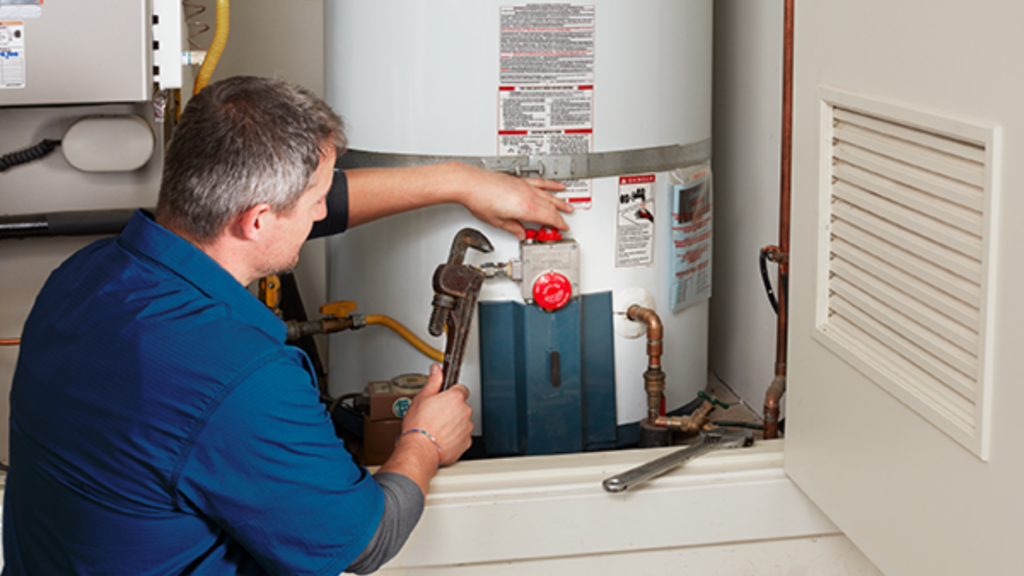
1. Understand the Different Types of Water Heaters
Before shopping for a water heater, it’s essential to know your options. Each type has its own advantages, limitations, and best-use scenarios.
a. Conventional Water Heaters
This is the most common type found in homes. It stores hot water in an insulated tank and keeps it ready for use.
- Pros: Affordable upfront cost, easy installation, widely available.
- Cons: Wastes energy keeping water hot (standby heat loss), limited capacity.
- Best for: Families with consistent daily hot water needs.
These are reliable systems, but they can run out of hot water during high usage times for example, when multiple showers or appliances run simultaneously.
b. Tankless Water Heaters
Tankless systems heat water only when you need it, eliminating the need for a storage tank.
- Pros: Endless hot water, compact design, highly efficient.
- Cons: Higher installation cost, may need larger gas or electrical lines.
- Best for: Smaller homes or energy-conscious households.
Tankless heaters are ideal if you value efficiency and space-saving. They also last nearly twice as long as traditional tanks.
c. Heat Pump Water Heaters
These units pull heat from the surrounding air and use it to heat your water similar to how a refrigerator works in reverse.
- Pros: Extremely energy-efficient, eco-friendly, can cut energy use by up to 60%.
- Cons: Expensive upfront cost, needs installation in warm or moderate climates.
- Best for: Homeowners focused on long-term energy savings.
Although they require more space and cost more initially, they often pay for themselves through lower utility bills within a few years.
d. Solar Water Heaters
Powered by sunlight, solar systems use roof-mounted collectors to heat water stored in an insulated tank.
- Pros: Renewable, sustainable, minimal operating cost.
- Cons: High installation cost, weather-dependent.
- Best for: Homes in sunny climates with good roof space.
Solar heaters can cut water heating bills by up to 80%, but they often need a backup heating system for cloudy days.
e. Condensing Water Heaters
These models reuse the exhaust gases from natural gas systems to heat water more efficiently.
- Pros: Excellent efficiency, lower fuel waste.
- Cons: More expensive to install, requires existing gas setup.
- Best for: Large households that use a lot of hot water.
2. Choose the Right Energy Source
Your home’s available energy source often determines your options.
| Fuel Type | Pros | Cons | Best For |
| Electric | Widely available, easy install | Slower heating, higher energy cost | Apartments, smaller homes |
| Natural Gas | Quick heating, cost-effective | Needs venting and gas line | Suburban homes with gas access |
| Propane | Portable, efficient | Needs refills, cost varies | Rural homes |
| Solar | Renewable, eco-friendly | High initial setup | Warm, sunny regions |
| Heat Pump | Very efficient | Works best in warm areas | Eco-conscious homeowners |
Tip: If you already have a gas line, a natural gas unit is often the best balance of efficiency and cost. If not, an electric or hybrid system might make more sense.
3. Pick the Right Size and Capacity
Choosing the correct size ensures you always have enough hot water without wasting energy.
For Tank Water Heaters
| Household Size | Recommended Tank Capacity |
| 1–2 people | 30–40 gallons |
| 2–3 people | 40–50 gallons |
| 3–4 people | 50–60 gallons |
| 5+ people | 60–80 gallons |
If your family often runs showers, laundry, and dishwashing at the same time, consider going one size up.
For Tankless Water Heaters
Tankless systems are rated by flow rate (GPM) the amount of hot water they can provide per minute. Here’s a quick guide:
- Shower: 2.0–2.5 GPM
- Kitchen faucet: 1.5 GPM
- Washing machine: 2.0 GPM
Add up your simultaneous water uses. For example, if you’re running a shower and dishwasher together, you’ll need at least 4.0–5.0 GPM.
4. Understand Energy Efficiency Ratings
Energy efficiency determines both your long-term savings and environmental footprint.
Key Efficiency Metrics
- Uniform Energy Factor (UEF): Higher UEF means better efficiency.
- Energy Star® Certification: Look for this label to find systems that meet strict government efficiency standards.
- Insulation & Standby Loss: Well-insulated tanks lose less heat, saving energy.
Average Efficiency Ratings by Type
| Type | Typical UEF Range |
| Electric Tank | 0.90 – 0.95 |
| Gas Tank | 0.60 – 0.70 |
| Tankless Gas | 0.80 – 0.95 |
| Heat Pump | 2.0 – 3.0 |
| Solar | 2.0+ |
Pro Tip: Even if energy-efficient units cost more initially, they can reduce your monthly bills by 20–50% over time.
5. Installation and Space Requirements
Not every water heater will fit your home setup. Consider where your unit will be installed and how much space is available.
- Small homes or condos: Go for a tankless or electric unit to save space.
- Basement or garage setups: A heat pump heater works well in larger, warm areas.
- Limited ventilation: Choose electric over gas to avoid exhaust system issues.
- Older plumbing: Some systems may need upgrades to handle pressure and flow requirements.
6. Cost Breakdown and Long-Term Value
Let’s compare cost, lifespan, and efficiency side-by-side:
| Type | Average Installed Cost (2026) | Expected Lifespan | Energy Efficiency | Annual Energy Savings |
| Conventional | $800 – $1,800 | 8–12 years | Moderate | 10–15% |
| Tankless | $1,800 – $3,500 | 20+ years | High | 25–40% |
| Heat Pump | $2,000 – $3,000 | 10–15 years | Very High | 50–60% |
| Solar | $3,000 – $6,000+ | 15–20 years | Excellent | 60–80% |
| Condensing | $2,000 – $4,000 | 10–15 years | High | 30–40% |
Note: The cheapest option isn’t always the best in the long run. Spending a bit more upfront can lead to major savings and fewer repairs over time.
7. Maintenance Tips to Extend Lifespan
Routine maintenance ensures your system runs efficiently and lasts longer.
Maintenance Checklist
- Flush the tank annually to remove sediment buildup.
- Inspect anode rods every 2–3 years to prevent rust and corrosion.
- Check temperature settings 120°F is ideal for safety and efficiency.
- Inspect pressure relief valves to ensure proper functioning.
- Keep the area around the heater clean and ventilated.
Tankless systems also need descaling every 1–2 years to remove mineral buildup.
8. Warranty and Brand Reliability
When comparing models, pay attention to warranty coverage and brand reputation.
- Standard warranties range from 6 to 12 years.
- Extended warranties may cover parts and labor but cost extra.
- Reputable brands include Rheem, AO Smith, Bradford White, Rinnai, and Navien.
A longer warranty often signals better quality components and construction.
9. Signs It’s Time to Replace Your Old Water Heater
If you’re unsure whether to repair or replace your water heater, look for these red flags:
- Water takes longer to heat
- Rusty or discolored water
- Metallic taste or odor
- Leaks or pooling around the unit
- Strange rumbling or banging noises
- Age over 10–12 years
Upgrading early can improve efficiency, reduce utility costs, and prevent water damage.
10. Environmental Impact and Smart Technology
Modern water heaters come with smart features and eco-friendly technologies designed to improve sustainability.
- Wi-Fi controls let you monitor and adjust temperature remotely.
- Leak detection sensors help prevent water damage.
- Recycling heat energy (in condensing or hybrid models) reduces waste.
- Smart scheduling saves energy during off-peak hours.
Choosing an energy-efficient or renewable option also helps reduce your carbon footprint, an important consideration for eco-conscious homeowners.
Final Thoughts
Choosing the best water heater is about more than just picking a brand, it’s about finding the right balance between efficiency, performance, cost, and comfort. If you’re looking for:
- Affordability and reliability: Go with a standard tank unit.
- Efficiency and endless hot water: Choose a tankless system.
- Long-term energy savings: Opt for a heat pump or solar water heater.
Before buying, evaluate your household’s hot water habits, available energy sources, and long-term goals. Consulting a professional installer will ensure you get the right fit properly sized, safely installed, and built to last. With the right choice, you’ll enjoy consistent comfort, lower bills, and years of worry-free hot water.