
8 Warning Signs It’s Time to Replace Fixtures
When was the last time you really looked at your home’s plumbing fixtures, your faucets, showerheads, sinks, and toilets? These essentials often go unnoticed until something goes wrong.
While a dripping faucet or a rusted handle might seem minor, these issues can lead to bigger plumbing problems, water waste, or even property damage if ignored.
Whether you’re updating your kitchen, modernizing your bathroom, or just trying to avoid costly repairs, knowing when to replace old fixtures is key to maintaining both function and appearance in your home.
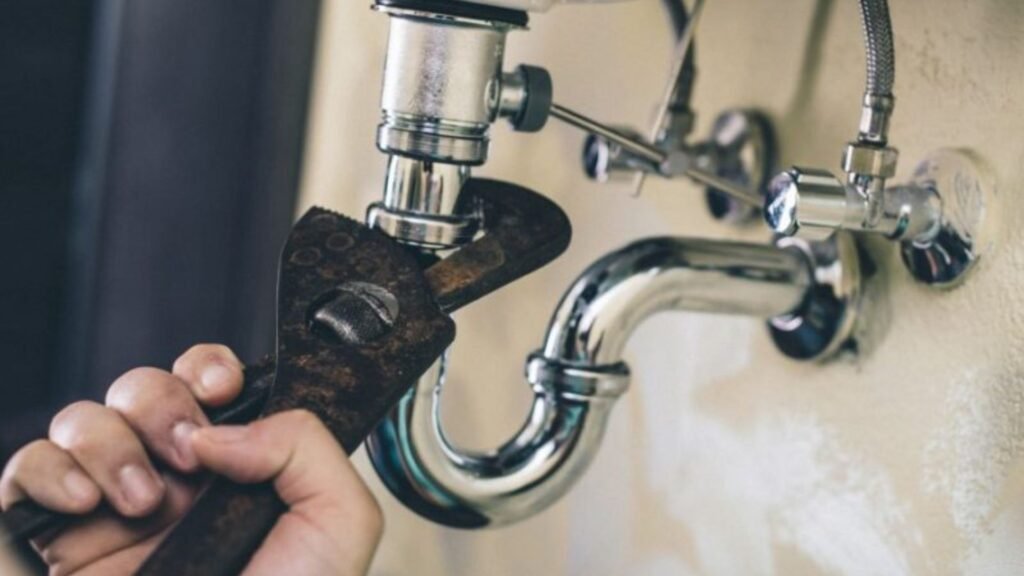
Here are 8 clear warning signs that it’s time to replace your fixtures and why doing so sooner rather than later can save you money, time, and frustration.
1. Persistent Leaks or Drips
A leaky faucet or showerhead may seem like a small inconvenience, but it can waste an astonishing amount of water. According to the U.S. Environmental Protection Agency (EPA), a single drip per second can waste over 3,000 gallons of water per year.
If you’ve tried tightening the handle or replacing washers, and the leak keeps coming back, it’s usually a sign that the internal components have worn out. In older fixtures, mineral buildup, corrosion, or degraded seals can make permanent repairs difficult or impossible.
Why replacement makes sense:
- Prevents water waste and lowers utility bills.
- Reduces risk of mold or water damage under sinks.
- Gives you the opportunity to upgrade to WaterSense-labeled fixtures, which use up to 30% less water without sacrificing performance.
2. Rust, Corrosion, or Mineral Buildup
Visible rust or white, chalky mineral deposits (commonly from hard water) are major indicators that your fixtures are aging. These substances can not only make your faucets or showerheads look unsightly but also affect water flow and taste.
Corrosion often starts inside metal pipes and spreads to fixture components, leading to small leaks or discoloration. Over time, these materials weaken, increasing the risk of breakage or contamination.
Common signs include:
- Brown or rusty water when first turning on the tap.
- Flaky or pitted metal surfaces.
- Stains around drains or on sink basins.
When replacement is needed: If cleaning with vinegar or a descaling solution doesn’t help, the problem may be deeper in the fixture or plumbing system. Replacing corroded fixtures with stainless steel, brass, or corrosion-resistant materials can restore both function and appearance.
3. Low or Inconsistent Water Pressure
Low water pressure isn’t always caused by plumbing issues, it can be a sign that your fixture is clogged or deteriorating. Sediment and scale can collect inside aerators, showerheads, and valve cartridges, restricting water flow.
If you’ve noticed that your shower has gone from a strong stream to a trickle, or your kitchen faucet barely fills a pot anymore, it may be time for an upgrade.
How to tell it’s the fixture’s fault:
- Pressure issues occur only at one faucet, not throughout the house.
- Removing the aerator improves pressure temporarily.
- The fixture is more than 10–15 years old.
Modern fixtures often include flow optimization technology, providing excellent pressure while still conserving water, a win-win for comfort and efficiency.
4. Outdated or Inefficient Design
Your fixtures don’t just affect performance, they also influence your home’s overall style and value. Outdated designs can make a newly renovated kitchen or bathroom look incomplete.
But it’s not just about aesthetics. Older fixtures can be inefficient by today’s standards. For example, older showerheads use up to 5 gallons per minute (GPM), while new low-flow models deliver satisfying pressure at just 1.75 GPM or less.
Reasons to consider upgrading:
- You’re planning a remodel or selling your home.
- You want to match finishes (brushed nickel, matte black, brass).
- You’re interested in eco-friendly or touchless models for convenience.
Aesthetic upgrades can also enhance property value real estate experts estimate that updated bathrooms can yield up to a 70% return on investment when selling a home.
5. Constant Repairs and Maintenance
If you find yourself calling a plumber frequently to fix leaks, replace washers, or adjust valves, it’s a strong sign your fixtures have reached the end of their lifespan.
Most bathroom and kitchen fixtures are designed to last 10–20 years, depending on quality and water conditions. Beyond that, wear and tear add up quickly, making replacement more cost-effective than repeated repairs.
Replacing an entire set of outdated fixtures at once often saves money long term and ensures consistent performance throughout your home.
6. Mold, Mildew, or Water Stains Around Fixtures
Moisture that lingers under or around sinks, tubs, and toilets is never a good sign. Persistent dampness usually points to small leaks or faulty seals that have gone unnoticed.
If you notice black spots, peeling caulk, or a musty odor near fixtures, you may have hidden mold growth, especially in humid areas like bathrooms.
Why this matters:
- Mold exposure can trigger allergies or respiratory issues.
- Water seepage can damage cabinetry, drywall, and flooring.
- Leaks behind walls can promote wood rot or structural weakening.
7. Water Discoloration or Metallic Taste
If your tap water tastes metallic or appears cloudy, the problem might not always lie with your municipal supply, it could be your aging fixtures. Internal rust or degraded coatings can contaminate water, altering its taste, smell, and safety.
Common causes include:
- Galvanized steel pipes corroding inside old faucets.
- Lead or brass fittings release trace metals over time.
- Internal parts breaking down due to age or water chemistry.
While water testing is the best way to confirm the source, if the issue is localized (e.g., only one sink), replacing that fixture may resolve the problem immediately.
8. Fixture No Longer Matches Your Lifestyle Needs
Sometimes the best reason to replace fixtures isn’t damage, it’s practicality. As families grow, age, or remodel, their needs change.
Examples:
- Installing a pull-down sprayer faucet for easier dishwashing.
- Adding a tall-arc bathroom faucet for accessibility or convenience.
- Upgrading to touchless fixtures for better hygiene.
- Replacing old toilets with dual-flush or comfort-height models.
Modern fixtures are designed with comfort, accessibility, and technology in mind. Smart faucets, for example, allow temperature presets, motion sensors, and even voice control integration bringing a level of convenience older fixtures simply can’t match.
Benefits of Upgrading Fixtures
Replacing old fixtures isn’t just about fixing problems, it’s about improving your home’s efficiency, comfort, and value. Here are some benefits you’ll enjoy:
- Lower water bills: Modern low-flow fixtures can cut consumption by 20–40%.
- Improved hygiene: Touchless designs reduce germ spread in kitchens and bathrooms.
- Enhanced aesthetics: A coordinated fixture set instantly modernizes any space.
- Eco-friendly performance: WaterSense and Energy Star–certified options help conserve resources.
- Reduced maintenance: Newer models feature durable finishes that resist corrosion and tarnish.
Final Thoughts
Your kitchen and bathroom fixtures play a bigger role than you might think affecting everything from water efficiency to health and home aesthetics. Ignoring small signs like leaks or discoloration can lead to costly repairs down the line.
If you’re noticing persistent problems, recurring maintenance needs, or simply outdated designs, it’s time to consider a fixture upgrade. Modern plumbing fixtures are more efficient, stylish, and durable than ever offering a smart investment for any homeowner looking to enhance comfort and value.